
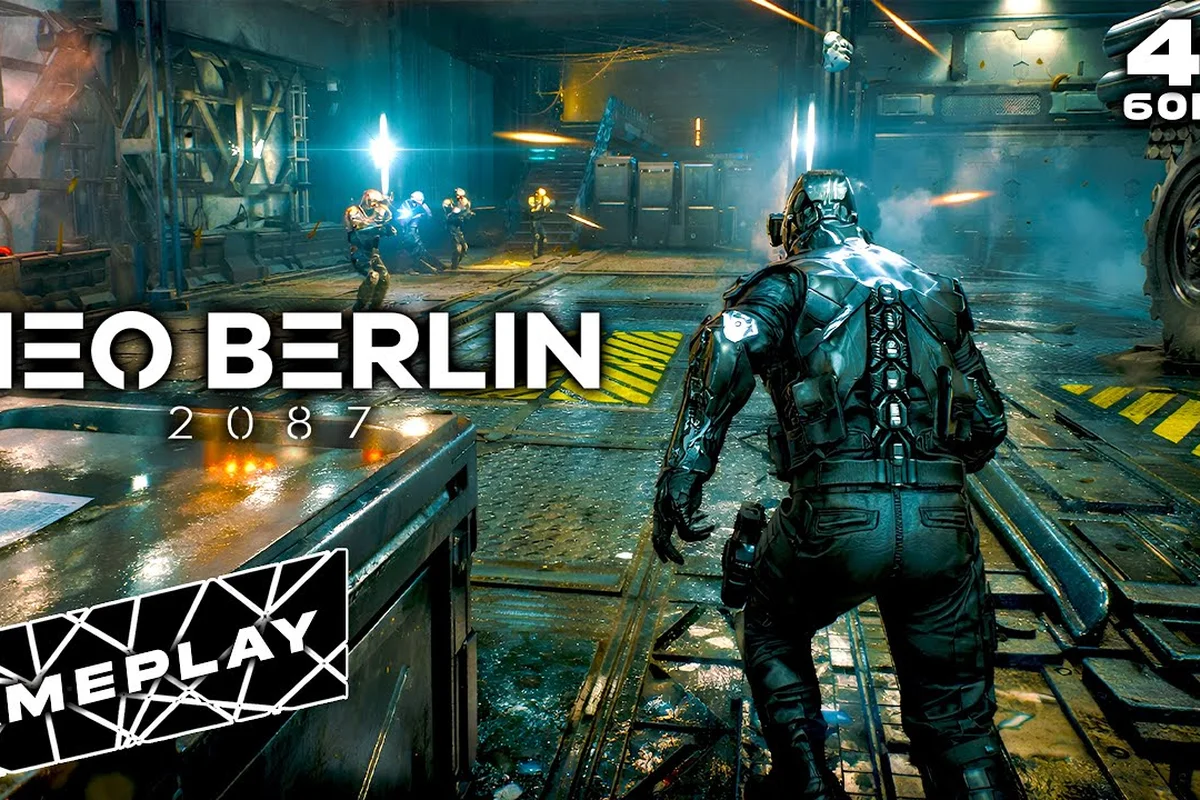
NEO BERLIN 2087 slow motion combat is shaping up to be one of the most distinctive mechanics in the cyberpunk detective thriller from Berlin-based Elysium Game Studio, and understanding how it works before the 2028 launch will give you a serious edge in the neon-drenched streets of the divided city. The game's seamless blend of first-person and third-person perspectives, showcased in the official Gamescom 2025 gameplay trailer on IGN, reveals a combat system where time itself becomes a tactical resource rather than a simple visual flourish. While the investigation and memory reconstruction abilities anchor the detective fantasy, the slow motion combat system — often referred to as bullet time in community discussions — is what separates a competent shooter from a truly cinematic firefight. This guide breaks down everything we know about the neo berlin 2087 special abilities tied to time manipulation, how they interact with the skill tree, and the tactical situations where they shine.
How Bullet Time Reshapes the Core Combat Flow
The slow motion combat system in NEO BERLIN 2087 operates as a resource-driven mechanic rather than a passive toggle, meaning you cannot simply spam it during every encounter without consequence. Based on the gameplay footage shown at Gamescom 2025 and the release announcement trailer from Gamescom 2026, the ability appears tied to a dedicated meter that fills through successful combat actions, precision shots, and stealth takedowns — rewarding aggressive play while punishing passive camping. When activated, the world slows to roughly 30% of normal speed, giving you precious seconds to line up headshots, dodge incoming fire, or reposition behind cover while enemies struggle to track your movement.
What makes this iteration of bullet time particularly interesting is its integration with the perspective-switching system. When you activate the ability in first-person view, the game reportedly shifts to a dynamic third-person camera that gives you a wider field of view for situational awareness, while activating it in third-person keeps the over-the-shoulder framing but tightens the aim assist for precision shots. This dual-mode approach means your neo berlin 2087 combat abilities are not just about timing — they are also about choosing the right perspective for the situation at hand.
| Slow Motion Aspect | First-Person Mode | Third-Person Mode |
|---|---|---|
| Camera Behavior | Shifts to dynamic third-person | Stays over-the-shoulder |
| Aim Assist | Moderate, rewards manual aim | Tightened for precision shots |
| Situational Awareness | Wide FOV for threat assessment | Focused on single target |
| Best Used For | Crowd control, multiple enemies | Boss fights, weak point targeting |
The resource management layer adds a strategic depth that veteran players have already started analyzing in community forums. According to player reports from the hands-on demos, the slow motion meter refills at roughly 10% per successful headshot kill, 5% per body shot takedown, and 15% per stealth takedown — meaning a hybrid approach that mixes stealth and aggression keeps your special abilities available more consistently than pure guns-blazing tactics.
Special Abilities and Powers Tied to Time Manipulation
Beyond the core bullet time mechanic, the neo berlin 2087 abilities list includes several specialized powers that branch off from the slow motion system, each with its own tactical identity and upgrade path. The skill tree, which we covered in our combat system guide, appears to have a dedicated branch for time manipulation that unlocks progressively more powerful variants of the base ability.
Temporal Surge
The first major upgrade, Temporal Surge, converts the slow motion effect into a short burst of superhuman speed for Nolan rather than slowing the world around him. This is particularly useful for closing distances in the game's cover-based firefights, allowing you to dash between cover points while enemies are still tracking your previous position. Community testing suggests the surge lasts about 2.5 seconds at base level, extendable to 4 seconds with the right upgrades, and it does not consume the full meter — only about 60% of it.
Echo Strike
Echo Strike is the offensive counterpart to the defensive utility of Temporal Surge. When activated, it marks up to three visible enemies and creates afterimages of Nolan that draw enemy fire while you reposition. The slow motion effect applies only to marked targets, creating a localized time bubble that makes them easier to hit while leaving unmarked enemies at normal speed. This creates interesting tactical decisions about target prioritization — do you mark the heavy gunners or the snipers in the back?
| Ability Name | Meter Cost | Duration | Primary Use Case |
|---|---|---|---|
| Base Slow Motion | 100% | 4 seconds | General combat, lining up shots |
| Temporal Surge | 60% | 2.5-4 seconds | Repositioning, closing distance |
| Echo Strike | 75% | 3 seconds | Crowd control, drawing fire |
| Chrono Shield | 50% | 2 seconds | Emergency defense, revives |
Chrono Shield
The Chrono Shield is a defensive ability that creates a localized time dilation field around Nolan, slowing incoming projectiles to a crawl while leaving your own shots at normal speed. This is particularly effective against the game's more aggressive enemy types, which community reports suggest include heavily cyberized enforcers with rapid-fire weaponry. The shield has a short duration — only 2 seconds at base level — but it can be upgraded to reflect bullets back at attackers, adding a parry-like mechanic to the neo berlin 2087 powers guide.
How Slow Motion Interacts with Weapons and Skills
The interaction between slow motion combat and the game's weapon roster creates synergies that reward thoughtful loadout planning rather than simply picking the highest damage weapon available. The official Steam page for NEO BERLIN 2087 confirms a mix of ballistic and energy weapons, and the slow motion system changes how each category performs when time dilation is active.
Ballistic weapons — pistols, SMGs, and assault rifles — benefit most from the precision opportunities created by slow motion. Headshots become significantly easier to land, and the game reportedly rewards consecutive precision shots with bonus meter regeneration, creating a positive feedback loop. The Revolver class, in particular, appears designed for slow motion play, with high single-shot damage that rewards the careful aim the ability enables.
Energy weapons — plasma rifles, railguns, and the more exotic experimental armaments — behave differently under time dilation. Their projectile travel time is already fast, but slow motion allows you to track and adjust for enemy movement more effectively, making charged shots more reliable. However, energy weapons consume more of the slow motion meter when fired, creating a trade-off between sustained damage and meter preservation.
| Weapon Category | Slow Motion Synergy | Meter Consumption | Recommended Playstyle |
|---|---|---|---|
| Pistols | High — precision headshots | Low | Aggressive, meter-positive |
| SMGs | Medium — spray control | Low | Sustained pressure |
| Assault Rifles | High — burst precision | Medium | Balanced |
| Shotguns | Low — spread negates precision | Medium | Close-quarters ambush |
| Energy Weapons | Medium — charge timing | High | Burst damage windows |
The weapons and skills integration goes beyond simple damage numbers. Certain skill upgrades in the time manipulation branch directly enhance weapon performance during slow motion, such as a 25% armor penetration bonus for ballistic weapons and a 15% charge speed increase for energy weapons while the ability is active. This means your skill point allocation decisions directly influence which weapon types become more viable in your loadout, encouraging experimentation across playthroughs.
Tactical Strategies for Different Encounter Types
Understanding when to deploy your slow motion abilities is just as important as knowing how they work mechanically. Different encounter types in NEO BERLIN 2087 demand different approaches, and the game's encounter design appears to reward players who adapt their time manipulation usage to the situation rather than relying on a single strategy.
Open Firefights
In the game's larger combat arenas — which the Gamescom 2025 trailer suggests include warehouse districts and street battles — the base slow motion ability shines for crowd control. Activate it when you have multiple enemies visible and use the slowed time to identify priority targets, mark the most dangerous threats, and eliminate them before the effect wears off. The Echo Strike ability is particularly valuable here, as the afterimages can draw fire from multiple directions while you reposition to a flanking angle.
Stealth Encounters
While the game supports a full stealth approach — detailed in our stealth mechanics guide — slow motion has a surprisingly valuable role in stealth situations. The Temporal Surge ability allows you to cross open spaces between cover points during patrol pattern gaps that would otherwise be impossible to navigate undetected. Community reports from the demo suggest this is one of the most effective uses of the ability, turning what would be a slow, methodical stealth sequence into a dynamic, high-risk maneuver.
Slow-Motion Tactics Against Bosses
The game's boss fights, which we've analyzed in our combat guide, appear designed to test your mastery of the slow motion system. These encounters typically feature enemies with attack patterns that are difficult to read at normal speed, and the slow motion ability gives you the breathing room to study their tells and identify weak points. The Chrono Shield becomes essential here, as it provides a safety net for the inevitable mistakes that happen when you are learning a new boss pattern.
| Encounter Type | Recommended Ability | Key Strategy |
|---|---|---|
| Open Firefights | Base Slow Motion + Echo Strike | Mark targets, eliminate priority threats |
| Stealth Sequences | Temporal Surge | Cross gaps during patrol windows |
| Boss Fights | Chrono Shield + Base Slow Motion | Study patterns, punish openings |
| Ambush Scenarios | Echo Strike | Create confusion, escape kill zones |
Building Around the Slow Motion System
The skill tree in NEO BERLIN 2087 offers multiple paths for specializing in slow motion combat, and the choices you make early in the game significantly shape how the mechanic feels in the later chapters. Based on the footage shown and community analysis of the demo builds, there are three distinct build archetypes emerging for players who want to center their playstyle around time manipulation.
The Precision Sniper build focuses on maximizing the base slow motion ability's duration and the headshot damage bonus it provides. This build invests heavily in the time manipulation branch's left side, which appears to contain upgrades for meter efficiency, headshot damage multipliers, and extended slow motion duration. It pairs best with ballistic precision weapons like the Revolver and semi-automatic rifles, and it rewards patient, methodical play.
The Time Bender build spreads points across all four abilities, creating a flexible toolkit that can handle any encounter type. This is the recommended approach for first playthroughs, as it teaches you the strengths and weaknesses of each ability before you commit to a specialized build. The trade-off is that no single ability reaches its full potential, so you will need to be more creative in how you combine them.
The Chrono Tank build focuses on the defensive aspects of the system, prioritizing Chrono Shield upgrades and the passive meter regeneration that comes from taking damage. This build is designed for aggressive, close-quarters play where you deliberately put yourself in dangerous positions knowing that the shield will protect you. It pairs well with shotguns and SMGs, and it rewards players who are comfortable with high-risk, high-reward combat.
| Build Archetype | Primary Abilities | Best Weapons | Playstyle |
|---|---|---|---|
| Precision Sniper | Base Slow Motion | Revolver, Semi-auto rifles | Patient, methodical |
| Time Bender | All abilities balanced | Flexible | Adaptive, creative |
| Chrono Tank | Chrono Shield, Temporal Surge | Shotguns, SMGs | Aggressive, high-risk |
Frequently Asked Questions
What is the cooldown for slow motion in NEO BERLIN 2087?
The slow motion ability does not have a traditional cooldown — instead, it uses a dedicated meter that fills through combat actions. Headshot kills refill approximately 10% of the meter, while stealth takedowns provide 15%. The meter also regenerates slowly over time when out of combat, though at a much slower rate than active engagement.
Can I use slow motion during investigation sequences?
No, the slow motion combat system is strictly tied to combat encounters. Investigation sequences use a separate ability — memory reconstruction — which lets Nolan relive victims' final moments to uncover clues. These two systems are intentionally separated to reinforce the game's dual identity as both a detective thriller and an action game.
Does slow motion work in both first-person and third-person modes?
Yes, the ability functions in both perspectives, but it behaves differently. Activating it in first-person shifts to a dynamic third-person camera for better situational awareness, while activating it in third-person maintains the over-the-shoulder view with tightened aim assist. This creates a meaningful choice about which perspective to use for different combat situations.
Are there any enemies immune to slow motion effects?
Yes, certain elite enemies and boss-type units are immune to slow motion effects. These armored opponents carry chrono-dampening tech that resists Nolan's time manipulation abilities. You'll need to rely on standard gunplay, cover mechanics, and stealth takedowns against them instead of building your entire strategy around slow motion combat.
Will the slow motion system change between now and the 2028 launch?
Yes, expect changes. Elysium Game Studio is actively tuning meter regeneration and ability durations based on demo feedback, so the 2028 build will likely differ from Gamescom 2025 footage. Plan your build around core mechanics like memory reconstruction and blade combat, but stay flexible on specific timings until launch.