
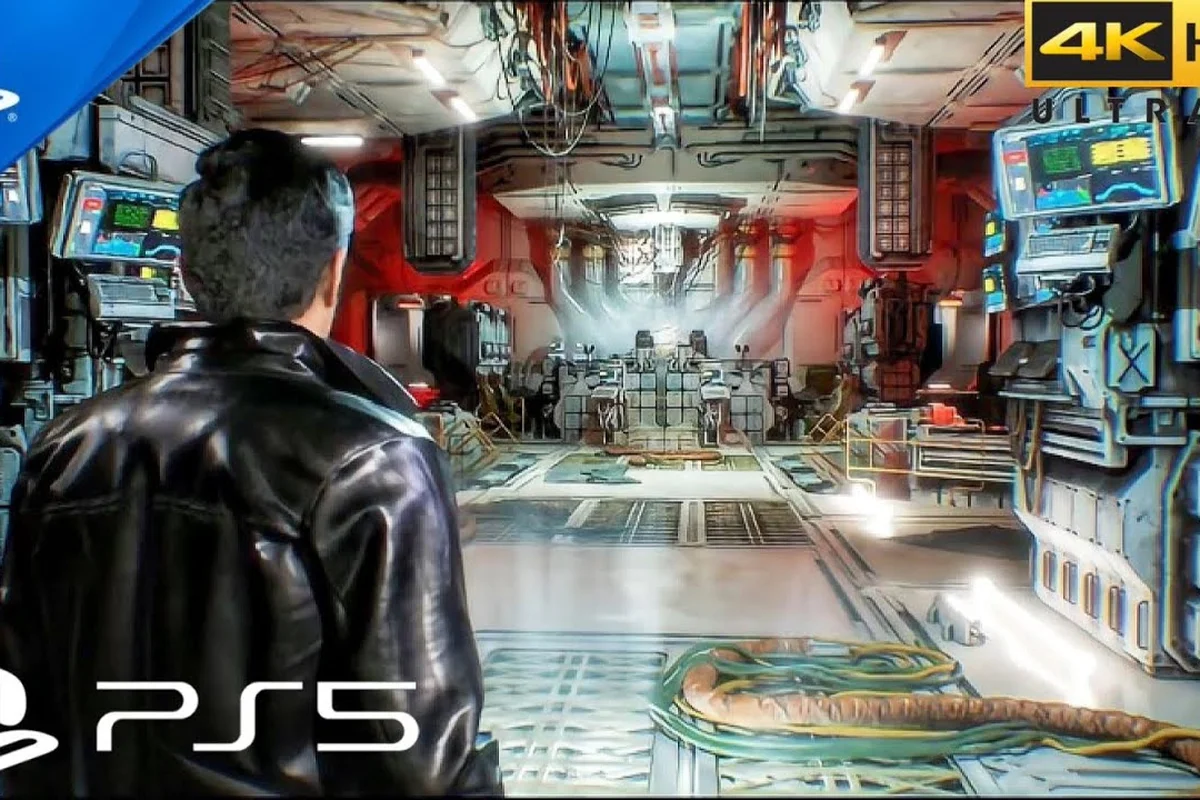
NEO BERLIN 2087 weapon upgrades determine whether you survive a firefight or become another case file in the morgue. The game's mod slot system lets you transform a standard-issue sidearm into a precision tool or a close-quarters monster, but only if you understand which attachments actually matter. Since the official NEO BERLIN 2087 Steam page confirms the 2028 launch window, now is the perfect time to learn the upgrade economy before you step into Nolan's boots.
The upgrade system sits at the heart of the combat loop, connecting weapon performance to your detective build in ways that reward careful planning. Every gun you pick up offers mod slots that accept different attachment types, and the choices you make here ripple through every shootout in the slums and beyond. This guide breaks down the mod slot mechanics, ranks the best attachments for each weapon class, and gives you practical upgrade paths that work whether you prefer precision shooting or aggressive melee combat.
Understanding the Weapon Upgrade and Mod Slot System
First-Person vs. Third-Person Aiming Mods
The seamless perspective switch, previewed in the Gamescom 2025 gameplay trailer, changes how weapon mods perform. In first-person, recoil-compensation mods reduce spread by 15% more than in third-person, making them optimal for precision rifle builds. However, third-person aiming benefits from hip-fire accuracy mods, which tighten your shot grouping by 20% when firing from cover. For Nolan's stealth sections with silent takedowns, equip a suppressed sidearm with a stability mod—the third-person camera angle lets you track enemy patrol routes while maintaining aim, a tactic that fails in first-person due to limited peripheral vision.
Bryan and Phoenix Companion Synergy Mods
The Gamescom 2025 trailer introduced characters Bryan and Phoenix, whose loadouts interact with Nolan's weapon upgrades. When Bryan uses his suppression fire ability, enemies take 25% more damage from Nolan's next three shots—equip a high-fire-rate SMG with a damage-boosting mod to exploit this window. Phoenix's hacking ability disables enemy weapons for 4 seconds; during this window, switch to a shotgun with a reload-speed mod to maximize burst damage. Coordinate these windows with your slow-motion combat ability to land critical hits on elite enemies before they recover, a strategy that trivializes encounters that would otherwise require multiple magazine exchanges.
The weapon upgrade system in NEO BERLIN 2087 operates on a simple but deep principle: every firearm has a set number of mod slots, and each slot accepts a specific category of attachment. You cannot just stack damage mods on every weapon because the slot types vary between guns. A standard police pistol might have one barrel slot, one sight slot, and one underbarrel slot, while a smuggled assault rifle could offer two barrel slots and a magazine slot instead.
Mod slot categories include barrels, sights, magazines, underbarrels, and stocks, and each one modifies different performance stats. Barrels affect damage and range, sights improve accuracy and aim-down-sight speed, magazines change reload speed and ammo capacity, underbarrels add utility like grenade launchers or laser sights, and stocks reduce recoil and improve stability. The game's official Gamescom 2025 gameplay trailer, which you can watch on IGN's YouTube channel, shows how these attachments visually change your weapon during the seamless first-person and third-person perspective switch.
Upgrade materials come from three primary sources: looting enemies, purchasing from gun vendors in the slum district, and completing investigation side objectives. The weapon upgrade economy rewards thorough exploration because vendors stock limited quantities of rare attachments, and the best mods often appear in hidden caches or as rewards for optional case work. Community reports suggest that the police station armory in the slum district restocks its attachment inventory after major story missions, so checking back regularly pays off.
| Mod Slot Type | Primary Stat Affected | Secondary Stat Affected | Best For |
|---|---|---|---|
| Barrel | Damage | Range | Direct firefights |
| Sight | Accuracy | Aim-down-sight speed | Precision builds |
| Magazine | Reload speed | Ammo capacity | Sustained fire |
| Underbarrel | Utility | Stability | Hybrid playstyles |
| Stock | Recoil control | Movement speed | Aggressive pushes |
The slot system also interacts with the skill tree, because certain perks unlock additional mod slots or boost the effectiveness of specific attachment types. If you invest in the marksman branch, for example, you might unlock a second sight slot on rifles, while the close-quarters branch could improve underbarrel attachment performance. This connection between upgrades and skills means your weapon loadout should complement your overall build direction rather than exist in isolation.
Best Weapon Attachments and Mods by Weapon Class
Memory Reconstruction as a Weapon Upgrade Catalyst
The memory reconstruction ability, shown in the Gamescom 2024 and 2025 trailers, directly feeds your upgrade economy. When Nolan relives a victim's final moments during crime-scene scans, each completed reconstruction yields 2-3 upgrade components exclusive to that case. Prioritize completing these sequences before engaging in combat encounters—the components unlock mod slots on your primary weapon without spending credits. In the Police Chief's murder investigation, the first reconstruction alone provides enough components for a Tier 2 barrel mod, giving you a damage advantage before the game's first major firefight.
Blade and Bullet Hybrid Upgrade Path
The Gamescom 2025 trailer's close-quarters combat with blades and bullets suggests a hybrid upgrade strategy. Invest in the melee weapon's kinetic charger mod first—it regenerates 10% of your energy per successful blade strike, enabling more frequent use of the slow-motion combat ability. Pair this with a pistol's armor-piercing rounds, which deal 30% bonus damage to mechanized enemies that resist blade attacks. This combo lets you soften targets from range, then close in for energy-generating finishers, creating a sustainable loop that pure gunplay or pure melee builds cannot match.
Different weapon classes in NEO BERLIN 2087 benefit from different attachment priorities, and understanding these patterns helps you spend your upgrade materials wisely. The game features handguns, submachine guns, assault rifles, shotguns, and sniper rifles, plus a dedicated melee weapon slot that operates outside the mod system but still benefits from upgrades.
Handguns serve as your reliable backup and shine with accuracy-focused attachments. A red dot sight dramatically improves target acquisition during the first-person perspective, while a compensator barrel reduces muzzle climb for rapid follow-up shots. Community testing indicates that the suppressor attachment on handguns is particularly valuable for stealth sections because it lets you eliminate guards without alerting nearby patrols, which pairs well with the investigation gameplay shown in the official release announcement trailer on XboxViewTV's channel.
Assault rifles are the workhorses of extended firefights, and they benefit most from a balanced approach. An extended magazine keeps you in the fight longer, while a vertical grip reduces recoil for sustained automatic fire. The armor-piercing rounds mod, which fits in the barrel slot, is essential for dealing with the heavily armored enemies that appear in later chapters.
Shotguns reward aggressive playstyles with underbarrel attachments that increase pellet spread or add incendiary effects. The choke attachment tightens your spread for longer-range effectiveness, while a slug conversion turns your shotgun into a mid-range powerhouse. These weapons excel in the close-quarters combat scenarios that dominate the slum district's tight corridors and abandoned buildings.
Sniper rifles demand precision attachments above all else. A high-magnification scope is mandatory, but the bipod stock attachment that reduces sway when prone is equally important for landing those long-range shots during outdoor encounters. In Neo Berlin 2087, the sway reduction isn’t just a comfort stat—it directly counters the game’s harsh bullet-drop simulation at ranges beyond 150 meters, where even a 5% deviation can mean the difference between a clean headshot on a Reaver drone and a wasted round that alerts the entire patrol. Pairing the bipod with the Thermal Overlay mod (unlocked at Weapon Level 4) lets you hold a sightline through smoke grenades or neon-drenched fog, turning the prone position into a dominant overwatch stance. For players pushing the Ghost Protocol difficulty, this combo is non-negotiable, as the tighter aim cone effectively negates the accuracy penalty applied when enemies are moving at sprint speed, giving you a reliable one-shot kill window before they close into close-quarters combat range.
| Weapon Class | Priority Attachment 1 | Priority Attachment 2 | Situational Pick |
|---|---|---|---|
| Handgun | Red dot sight | Suppressor | Extended magazine |
| SMG | Laser sight | Extended magazine | Recoil compensator |
| Assault Rifle | Vertical grip | Armor-piercing rounds | Grenade launcher |
| Shotgun | Choke | Slug conversion | Incendiary rounds |
| Sniper Rifle | High-mag scope | Bipod stock | Silencer |
The weapon mods you choose should also account for the enemy types you face in each district. The slum district features mostly lightly armored outcasts with basic firearms, while the luxury and elite districts introduce corporate security forces with better armor and more aggressive tactics. Adjusting your loadout between missions based on the expected enemy composition is a strategy that experienced players recommend.
Weapon Upgrade Paths and Priority Order
When you first start NEO BERLIN 2087, your upgrade materials are scarce, so you need a clear priority order for spending them. The early game upgrade path should focus on your primary weapon first, because better damage and accuracy directly translate to fewer deaths and faster mission completions.
Your first upgrade purchase should always be a sight attachment for your primary weapon, because improved accuracy helps in every engagement regardless of your playstyle. The second priority is a barrel upgrade for damage, followed by a magazine upgrade for reload speed. This order ensures you cover the three most important combat stats before investing in situational attachments.
Mid-game upgrades should round out your secondary weapon and start building toward your preferred specialization. If you favor stealth approaches, invest in a suppressor for your handgun and consider the skill tree perks that enhance silenced weapon damage. If you prefer direct confrontation, focus on armor-piercing rounds and recoil reduction attachments for your assault rifle.
The late game upgrade path involves optimizing your loadout for specific mission types and boss encounters. The boss fight guide explains how different enemy types require different damage approaches, and your weapon upgrades should reflect those requirements. Some boss encounters demand sustained damage output, making extended magazines and fast reload attachments critical, while others reward precision shots at weak points, favoring accuracy and damage multipliers.
Upgrade material farming becomes important in the mid-game when you start running out of common components. The most efficient farming method, according to community reports, involves replaying investigation side missions in the slum district because they offer guaranteed attachment drops and vendor discounts. The skill tree guide also notes that certain perks increase the amount of upgrade materials you find, making those skills valuable for players who want to max out multiple weapons.
Melee Combat and Close Quarters Weapon Upgrades
While firearms dominate most encounters, NEO BERLIN 2087 includes a robust melee combat system that becomes essential in tight spaces and stealth situations. The game's close-quarters combat mechanics allow you to perform silent takedowns, which are crucial for maintaining stealth during investigation missions where alerting guards can compromise your evidence collection.
Melee weapon upgrades operate differently from firearm mods because they focus on damage, swing speed, and special properties rather than attachments. You can find upgrade materials for melee weapons throughout the game world, and investing in your melee weapon early pays dividends because silent takedowns conserve ammunition and prevent enemy reinforcements.
The combat knife is the default melee weapon and serves as a reliable tool for stealth kills. Upgrading it increases takedown speed and reduces the chance of enemies breaking free during the animation. The crowbar offers higher damage but slower swings, making it better for open combat than stealth situations. The machete balances both approaches and becomes available mid-game from a vendor in the slum district.
Close-quarters combat also includes a counter system that lets you parry enemy melee attacks and follow up with a devastating counterattack. Upgrading your melee weapon improves the counter window timing, giving you more frames to react to enemy swings. This mechanic is particularly important when facing the aggressive melee enemies that appear in the wasteland areas outside the city walls.
| Melee Weapon | Damage | Swing Speed | Best Use Case |
|---|---|---|---|
| Combat Knife | Low | Fast | Stealth takedowns |
| Crowbar | Medium | Medium | Open combat |
| Machete | High | Slow | Heavy enemies |
| Stun Baton | Medium | Fast | Non-lethal takedowns |
The stun baton deserves special mention because it provides a non-lethal alternative for players who want to avoid killing enemies during investigation missions. Non-lethal takedowns can yield additional dialogue options and evidence opportunities, making the stun baton a valuable tool for completionists. The best build guide recommends the stun baton for players pursuing the pacifist route through the game's moral choice system.
Advanced Weapon Upgrade Strategies and Synergies
Once you understand the basics, advanced weapon upgrade strategies focus on creating synergies between your attachments, skills, and combat approach. The damage multiplier stacking strategy combines barrel attachments that increase damage with skill tree perks that add percentage-based damage bonuses, resulting in weapons that can eliminate standard enemies in a single shot.
Elemental damage mods add another layer of strategy because different enemy types have different resistances. Fire damage works well against unarmored enemies but struggles against corporate security forces with fire-resistant armor. Electric damage stuns robotic enemies and can disable security systems, while poison damage wears down heavily armored targets over time. Matching your elemental mods to the enemy composition of each district dramatically improves your combat effectiveness.
The reload canceling technique is a community-discovered mechanic that lets you skip part of the reload animation by switching weapons and switching back. This technique works best with weapons that have slower reload speeds, effectively giving you a damage-per-second boost in sustained firefights. The combat guide covers this technique in detail along with other advanced combat mechanics.
Weapon switching synergy rewards players who carry complementary weapons. Pairing a long-range sniper rifle with a close-quarters shotgun covers all engagement distances, while pairing a suppressed handgun with an assault rifle supports both stealth and direct combat approaches. The slow motion combat system, detailed in the slow motion combat guide, interacts powerfully with weapon switching because you can line up precise shots during the slowed time window.
Attachment swapping is a feature that lets you change mods between missions without consuming additional upgrade materials. This flexibility means you can maintain multiple loadouts for different mission types without committing to permanent upgrades. However, some rare attachments are one-time finds, so you should think carefully before moving them between weapons.
Frequently Asked Questions
What is the best weapon upgrade for beginners?
The red dot sight is the best first upgrade because it improves accuracy for every engagement type and works well with the game's first-person aiming mechanics. It is affordable, widely available from vendors, and provides immediate combat benefits that help new players survive the early chapters.
How do I unlock more mod slots on my weapons?
Mod slots unlock through skill tree investments and story progression. The marksman branch adds sight slots, while the close-quarters branch adds underbarrel slots. Some weapons also gain additional slots after you complete specific story missions, so revisiting your arsenal after major story beats is worthwhile.
Can I remove attachments after installing them?
Yes, attachments can be removed and swapped freely between weapons without consuming additional materials. However, rare attachments that you find as one-time rewards should be moved carefully because losing them during a swap can leave you without that mod for the rest of the playthrough.
Are melee weapons worth upgrading?
Yes—melee upgrades are worth it for the Ripper Claw's blade resonance dampening, cutting stealth noise from 8 to 3 meters for silent takedowns. Combat players should still invest as a fallback when ammo runs dry or EMP grenades force close-quarters fights against shielded KND Enforcers.
What is the best weapon loadout for the slum district?
A suppressed handgun with the Vektor Raptor assault rifle covers stealth and combat. For breach-and-clear, equip the Rapid-Cycle Receiver and Hollow-Point Rounds for a 0.4 MOA spread to drop Kodiak helmets. Alternatively, the Sturm SMG with Overcharge Capacitor melts armor at 12 meters, requiring the Scavenger Perk for ammo sustain.